The My Time, Our Place (MTOP) Framework is designed for school-age care, with five outcomes that guide planning and reflection. Embedding it means linking everyday activities to these outcomes in ways that are intentional, inclusive, and meaningful. Here’s a clear breakdown with activity examples mapped to each outcome.
Outcome 1: Children and young people have a strong sense of identity
- Identity Shields – children design shields with symbols representing their strengths.
- Culture Show-and-Tell – bring an item from home that reflects family heritage.
- Personal Achievement Journals – record weekly “I am proud of…” reflections.
- Peer Mentoring – older children support younger ones in activities.
- Self-Portrait Gallery – using different art mediums across the year.
- ‘My Superpower’ Circle Time – each child shares a unique skill.
- Role Play of Community Helpers – exploring identity through jobs.
- ‘Belonging Wall’ – photos of children engaged in OSHC activities.
- Family Recipe Sharing – cook and celebrate cultural dishes.
- ‘I Can’ Ladder – children add steps as they master new skills.
Outcome 2: Children and young people are connected with and contribute to their world
- Community Garden – planting, watering, harvesting together.
- Recycling Champions – children lead waste sorting.
- Fundraising for Local Causes – bake sales or art auctions.
- Neighbourhood Walks – mapping local landmarks.
- Buddy Reading Program – reading with younger peers.
- Animal Care Roster – feeding class pets or observing wildlife.
- ‘Helping Hands’ Jobs Board – rotating responsibilities.
- Community Art Mural – collaborative painting project.
- Letters to Elders – writing to local aged care residents.
- ‘Our Place’ Map – children create a visual map of their OSHC community.
Outcome 3: Children and young people have a strong sense of wellbeing
- Mindfulness Sessions – guided breathing or meditation.
- Yoga & Stretching – daily movement breaks.
- Healthy Snack Prep – children make fruit kebabs or wraps.
- Outdoor Obstacle Course – promoting resilience and fitness.
- Feelings Thermometer – children check in emotionally.
- ‘Calm Corner’ Setup – sensory tools, soft seating, emotion cards.
- Dance & Movement Games – Just Dance or freestyle sessions.
- Safety Role Play – practicing emergency drills.
- Cooking for Wellbeing – exploring balanced meals.
- Gratitude Journals – recording daily positives.
Outcome 4: Children and young people are confident and involved learners
- STEM Challenges – build towers with spaghetti and marshmallows.
- ‘Inventors’ Box’ – recycled materials for free creation.
- Science Experiments – volcanoes, floating/sinking, magnet play.
- Coding Club – simple block coding games.
- Puzzle & Strategy Games – chess, tangrams, Rubik’s cubes.
- Cooking Math – measuring ingredients, fractions in recipes.
- Photography Project – documenting OSHC life.
- ‘Ask a Question’ Wall – children post inquiry prompts.
- Nature Explorers – bug hunts, leaf classification.
- Drama & Improvisation Games – confidence through performance.
Outcome 5: Children and young people are effective communicators
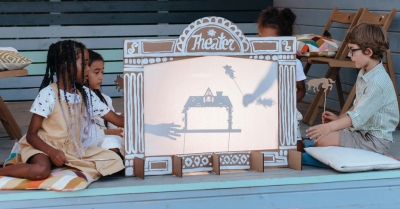
- Puppet Theatre – storytelling through puppets.
- Comic Strip Creation – literacy through art.
- Group Story Circles – collaborative storytelling.
- Debate Club – simple topics like “cats vs dogs.”
- Podcast Recording – children share weekly highlights.
- Drama Role Play – acting out scenarios.
- ‘Newsroom’ Bulletin – children report OSHC events.
- Poetry Slam – expressive language through performance.
- Sign Language Basics – learning simple Auslan signs.
- Letter Writing Station – writing to friends, family, or pen pals.
Embedding Tips for MTOP
-
Use child voice: Document quotes, reflections, and choices to show authentic links to outcomes.
-
Balance outcomes: Plan weekly programs so all five outcomes are represented.
-
Make outcomes visible: Display outcome posters or child-friendly icons in activity areas.
-
Reflective practice: Ask educators to note which outcome each activity supported during daily reflections.
-
Child-led planning: Invite children to co-design activities, linking their ideas back to MTOP outcomes.
-
Flexible documentation: Use photos, journals, and portfolios rather than rigid templates.
-
Cultural responsiveness: Embed diverse traditions, languages, and celebrations into activities.
-
Wellbeing focus: Ensure routines (snack, rest, transitions) are linked to wellbeing outcomes.
-
Community connections: Partner with local groups, libraries, or sports clubs to extend Outcome 2.
-
Scaffolded learning: Provide extension challenges so children can deepen engagement with Outcome 4.
Sponsoredcontent_detail_inline_2 placeholder
Further Reading
MTOP Learning Outcomes V2.0
How Educators Promote MTOP Outcomes 2.0
MTOP Main Outcomes Posters